
Filters
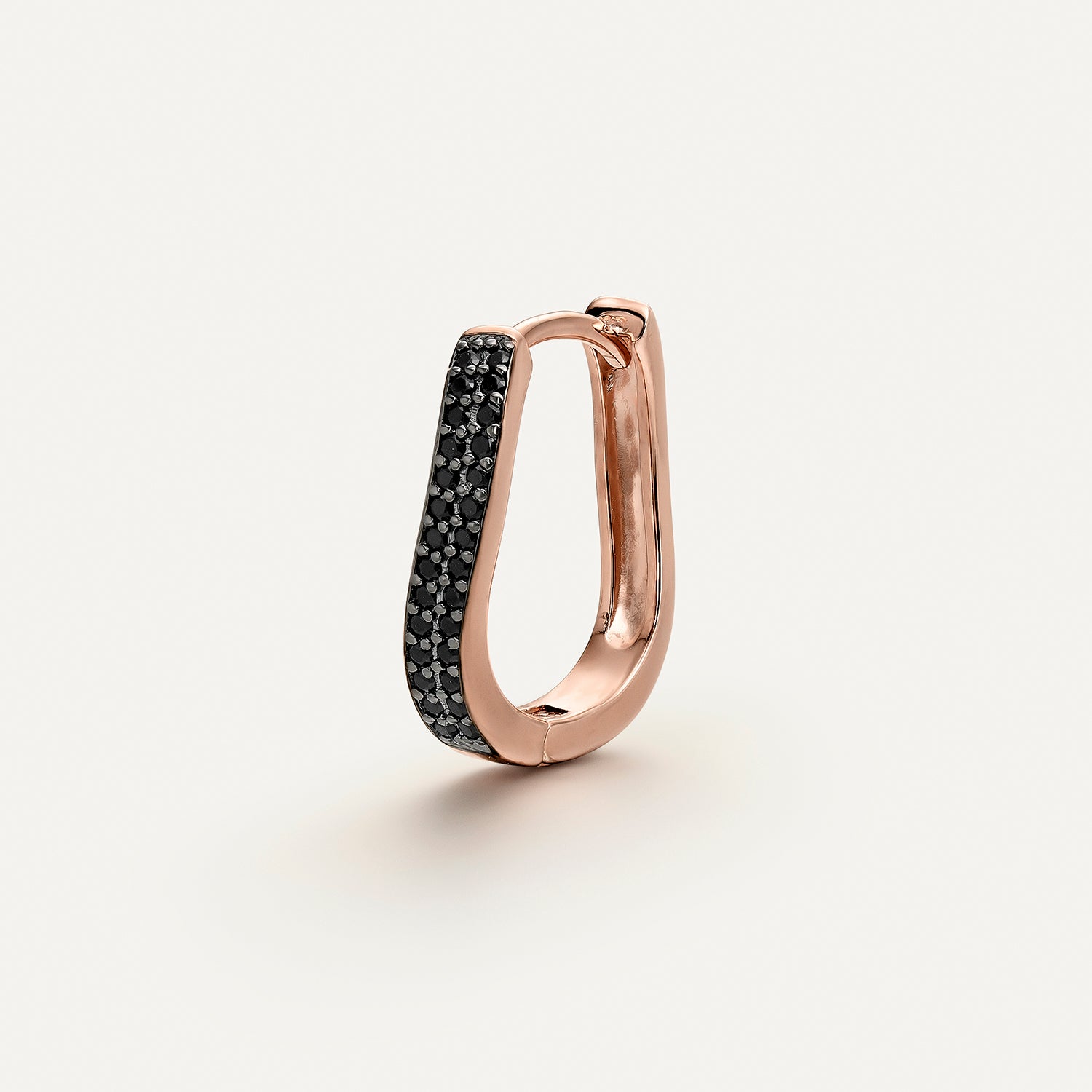
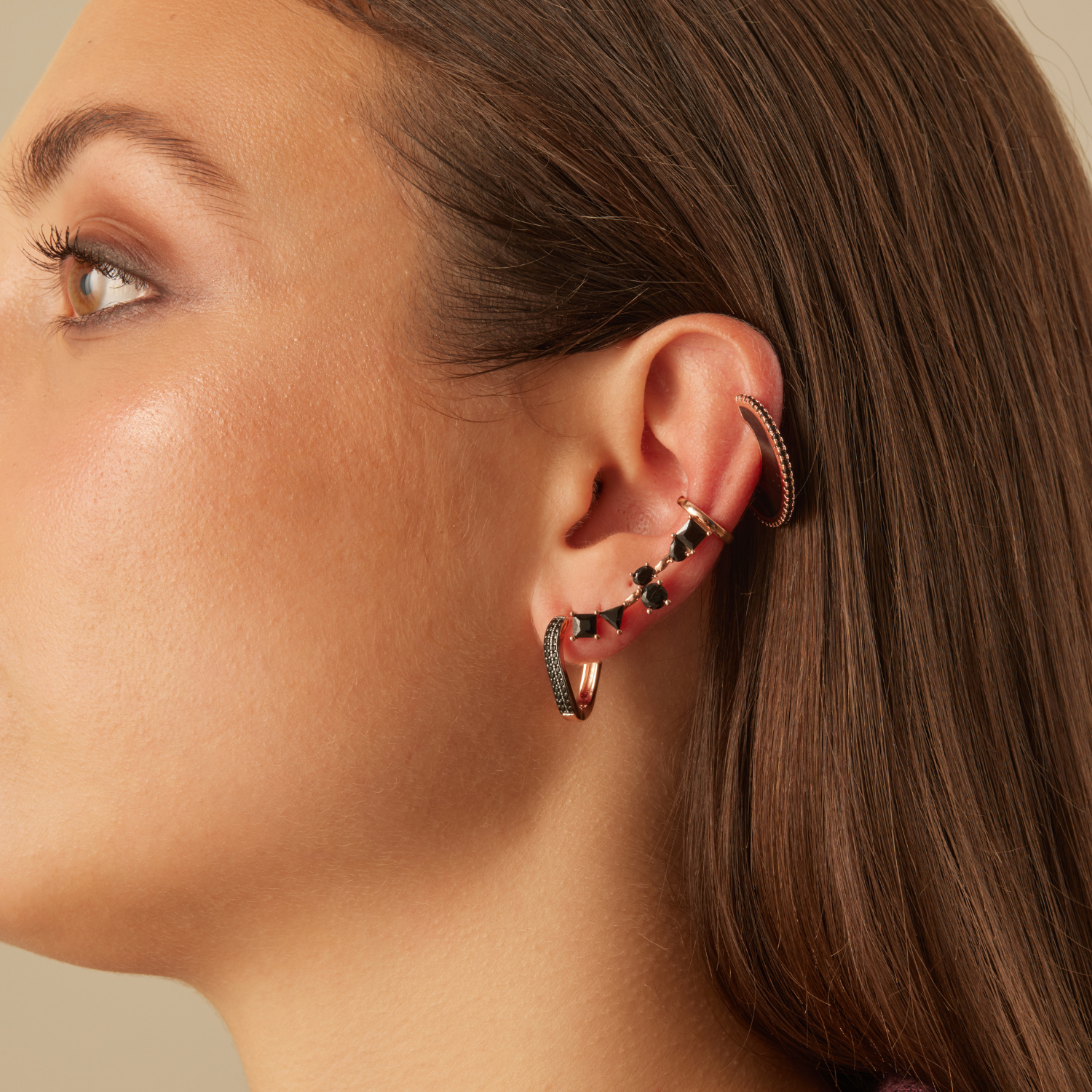
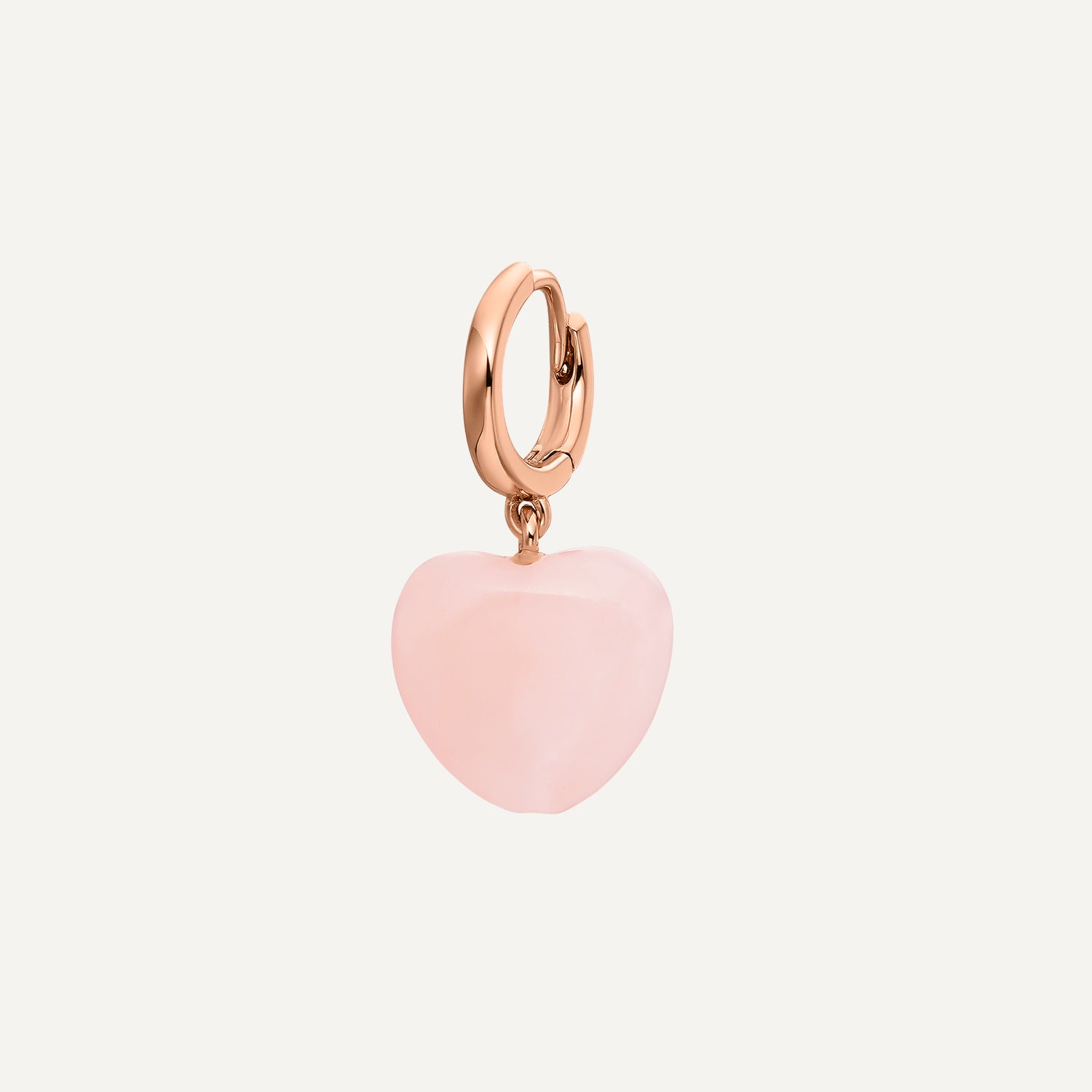
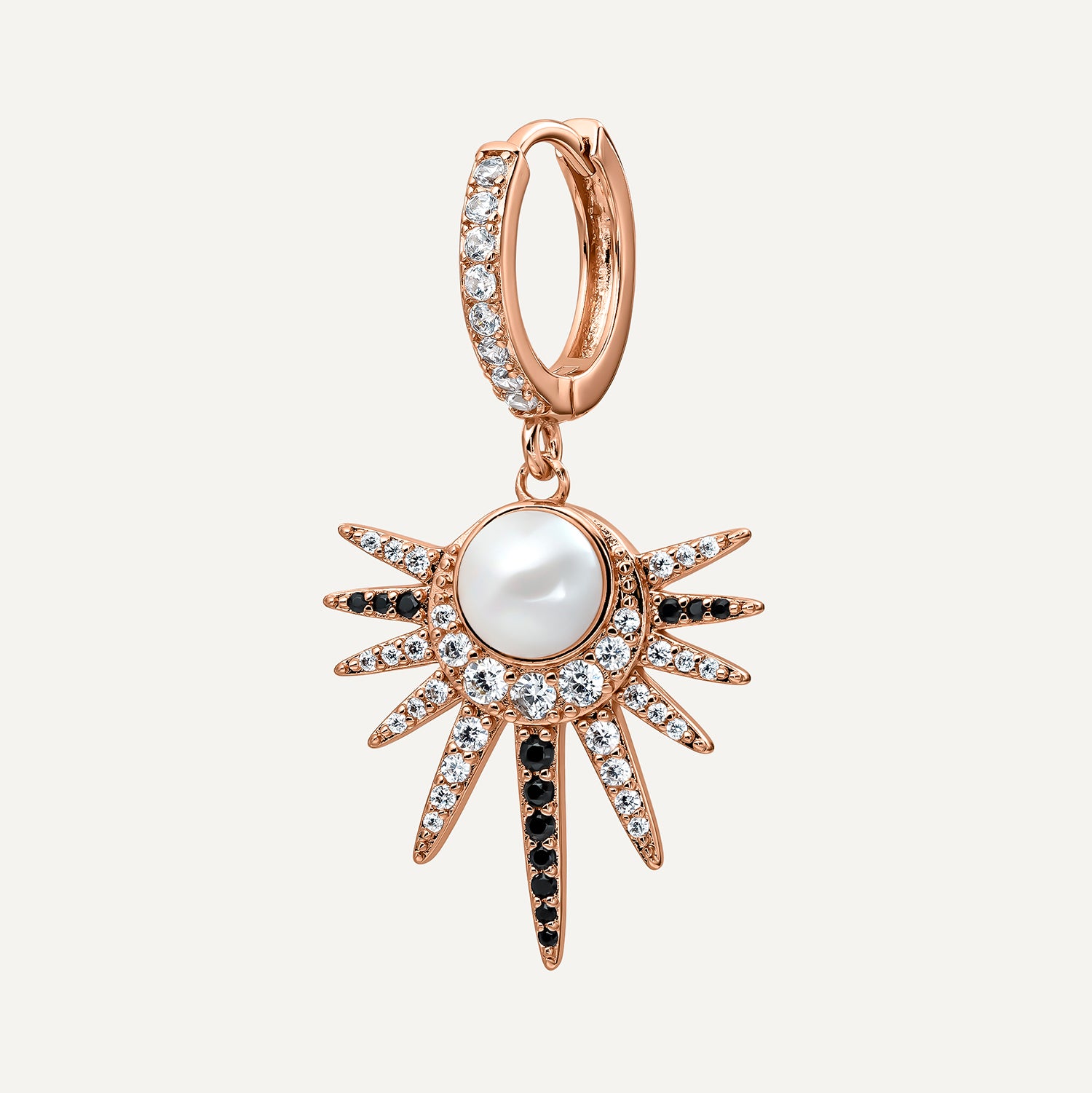
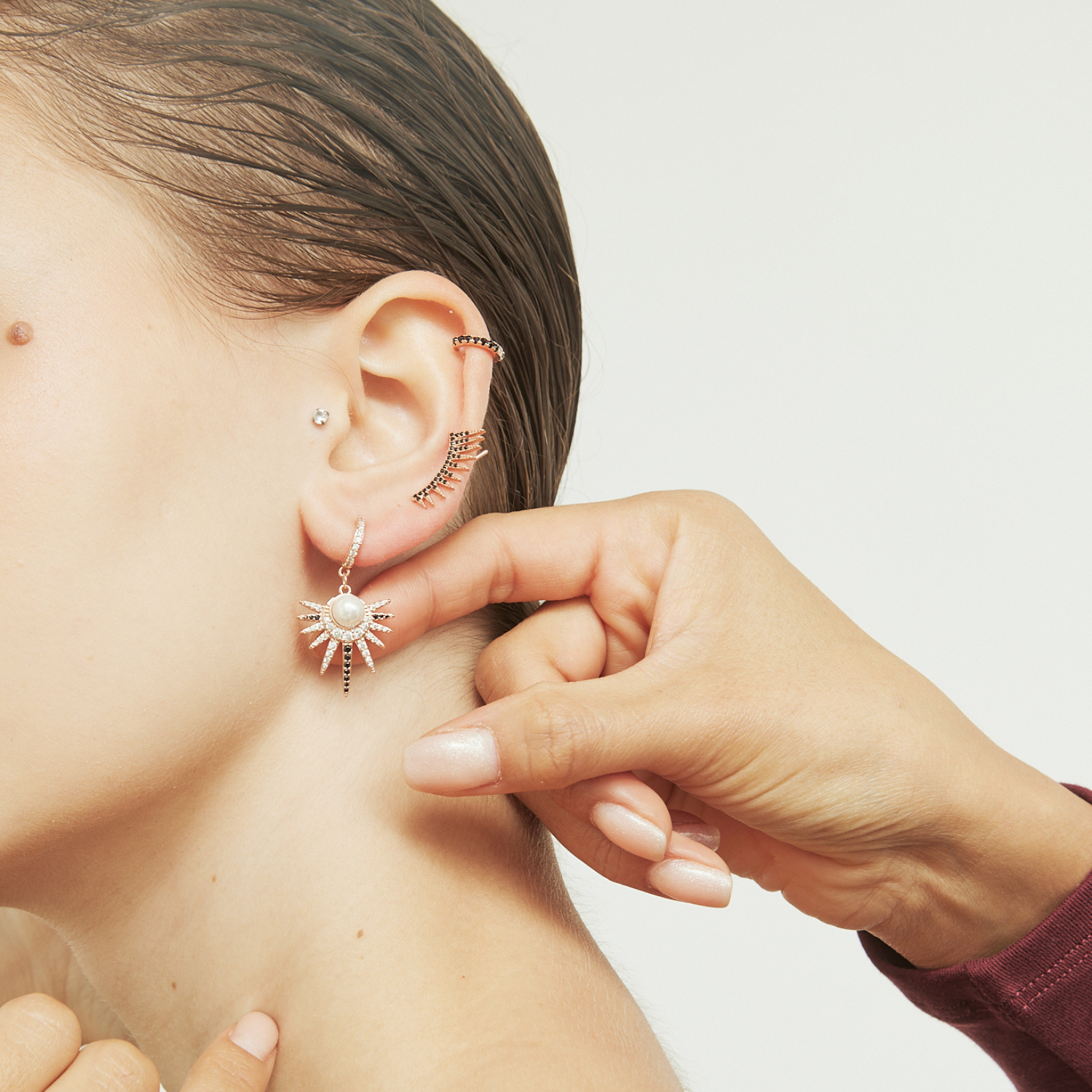
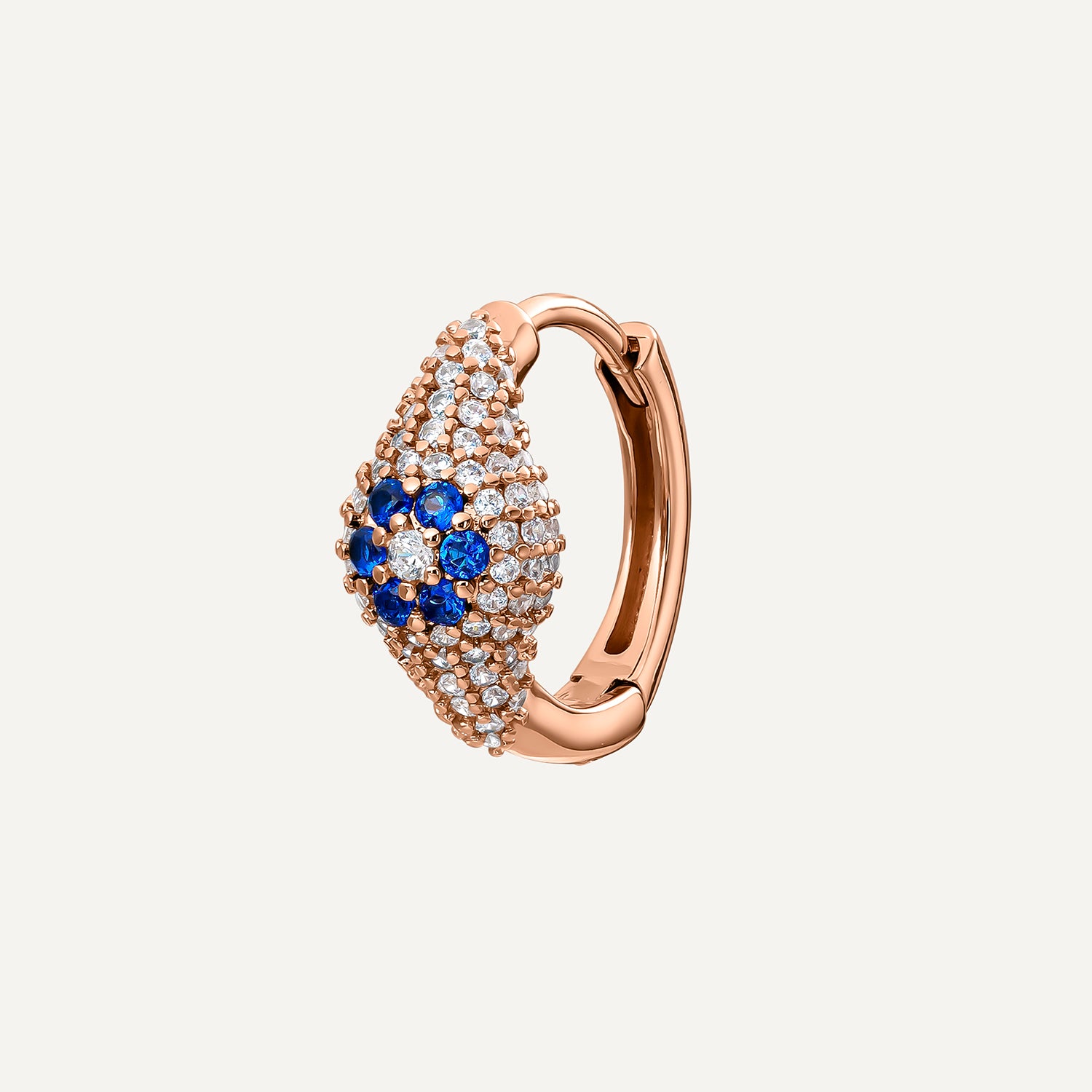
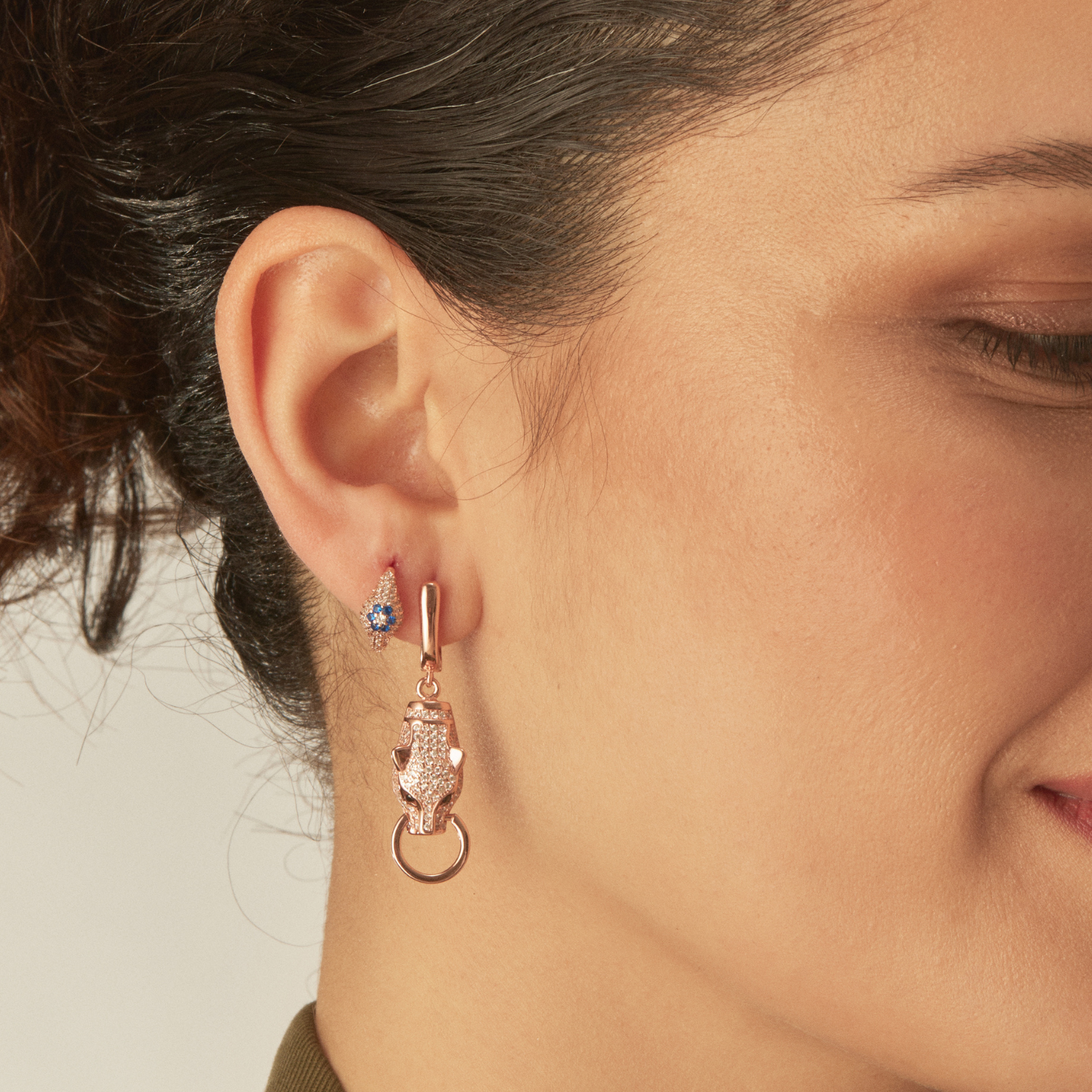
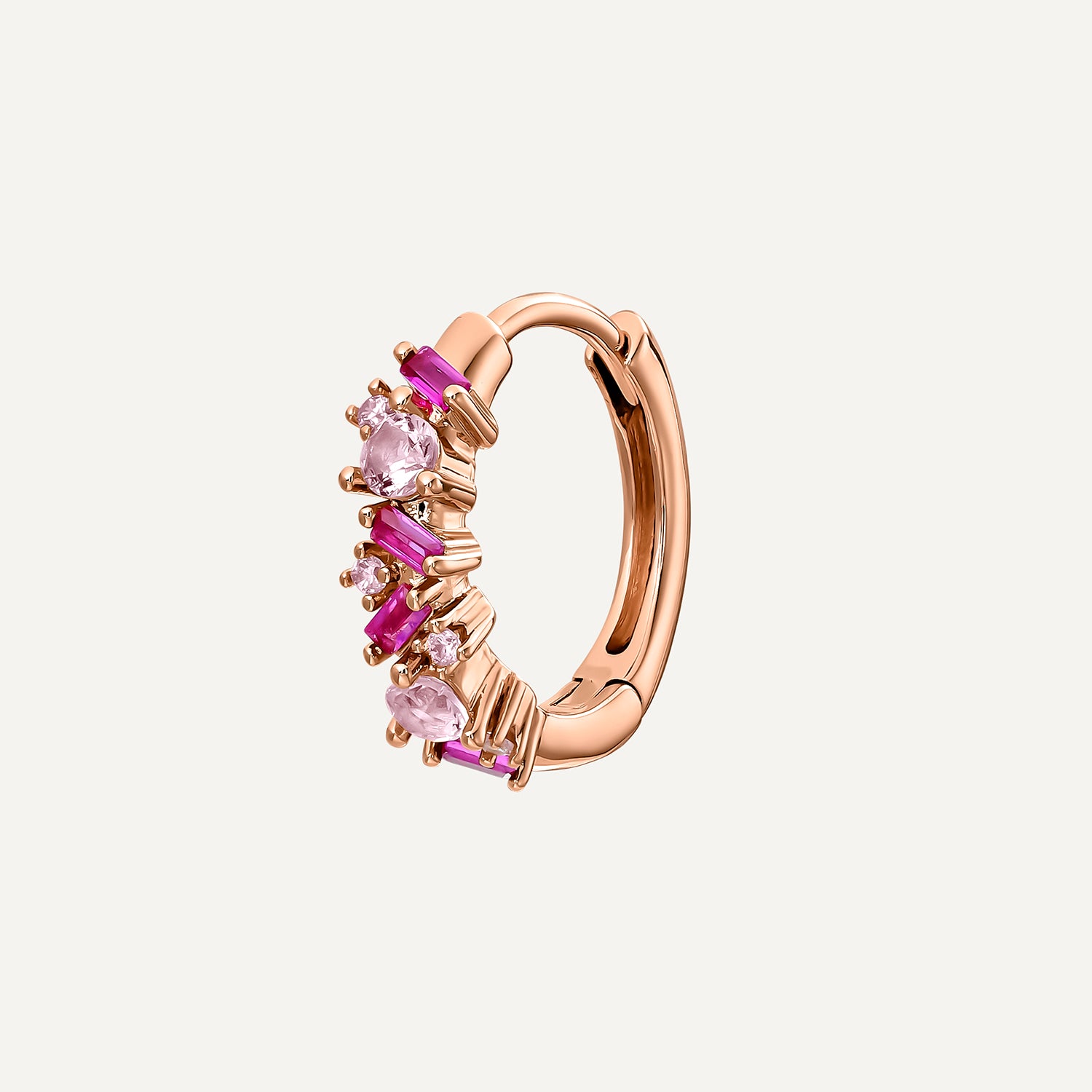
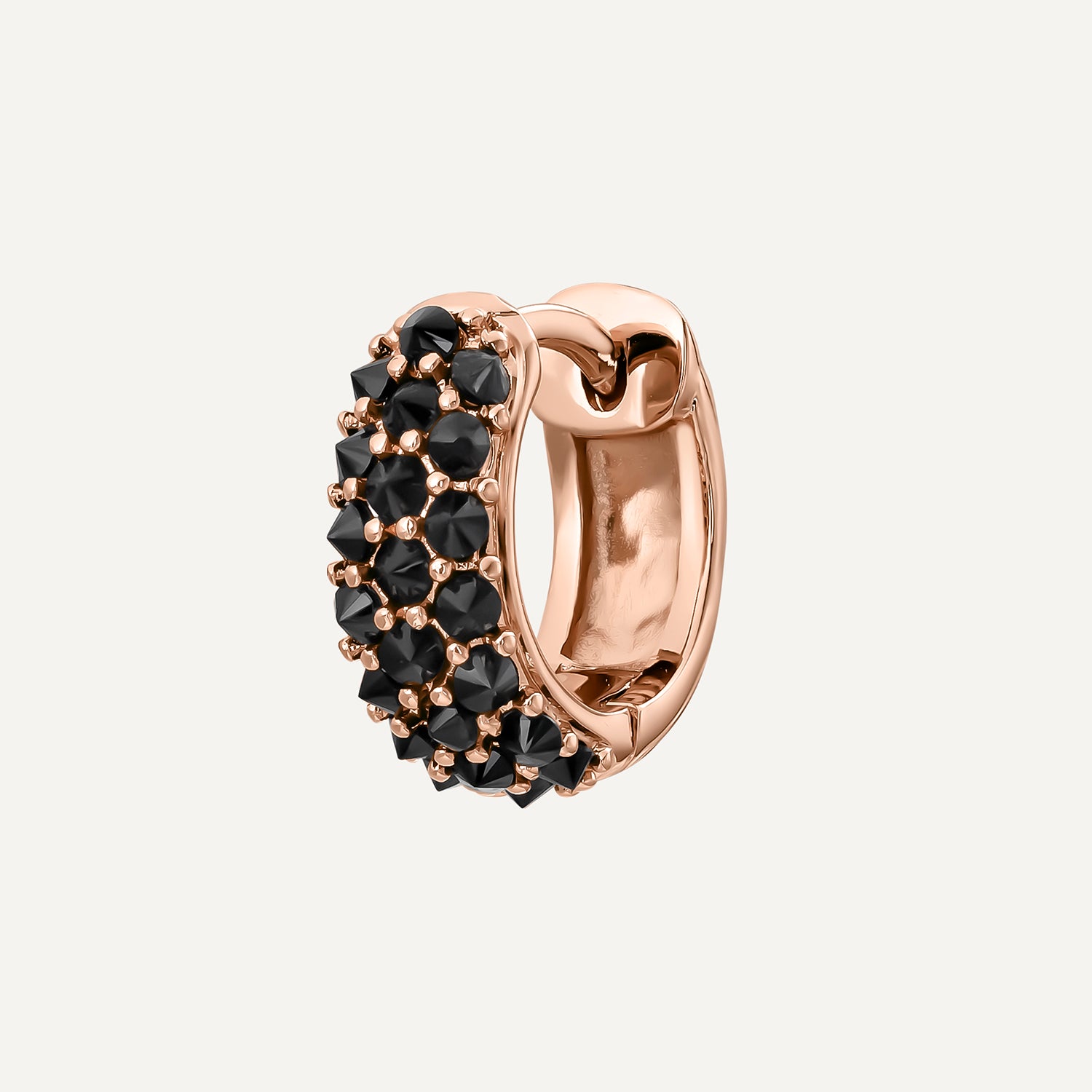
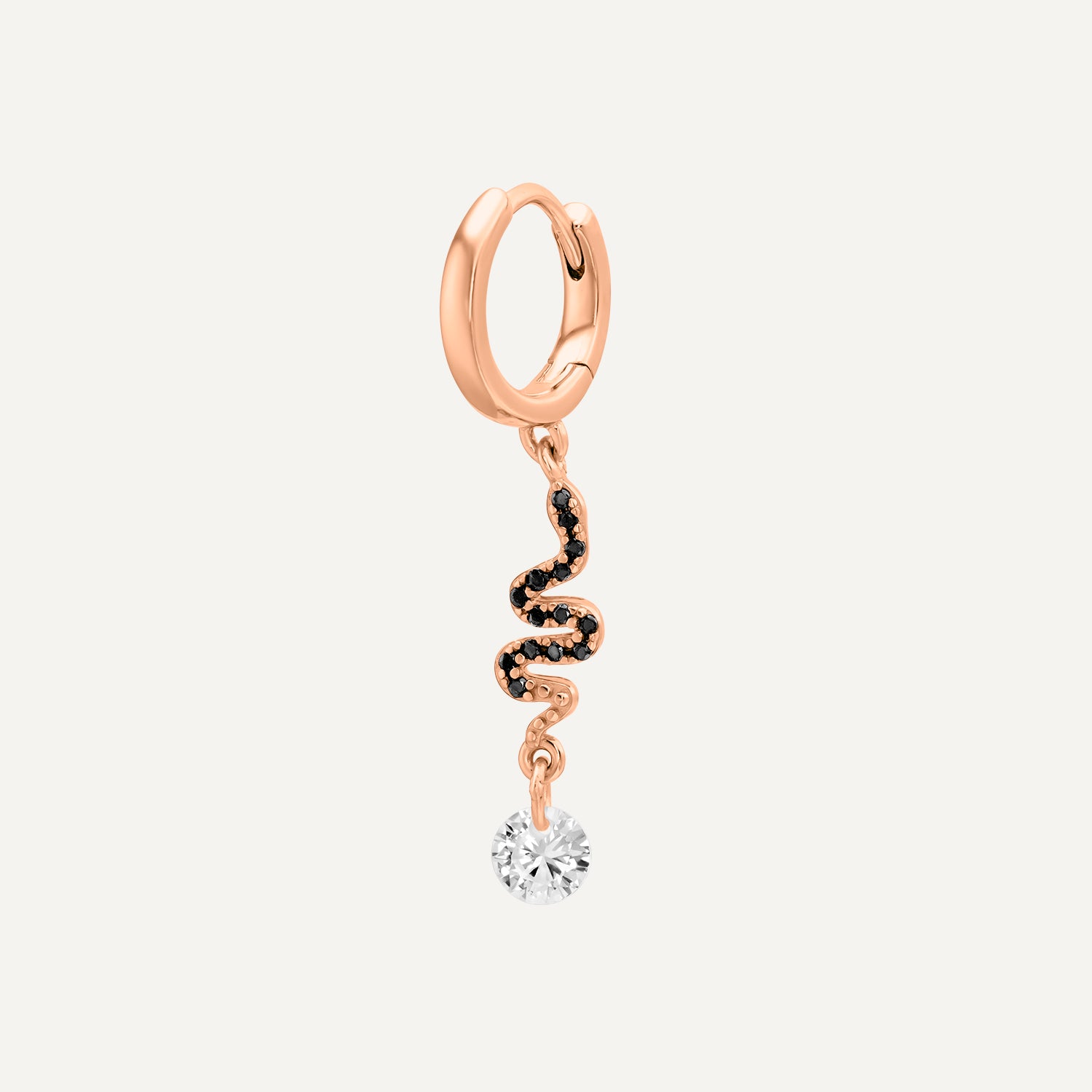

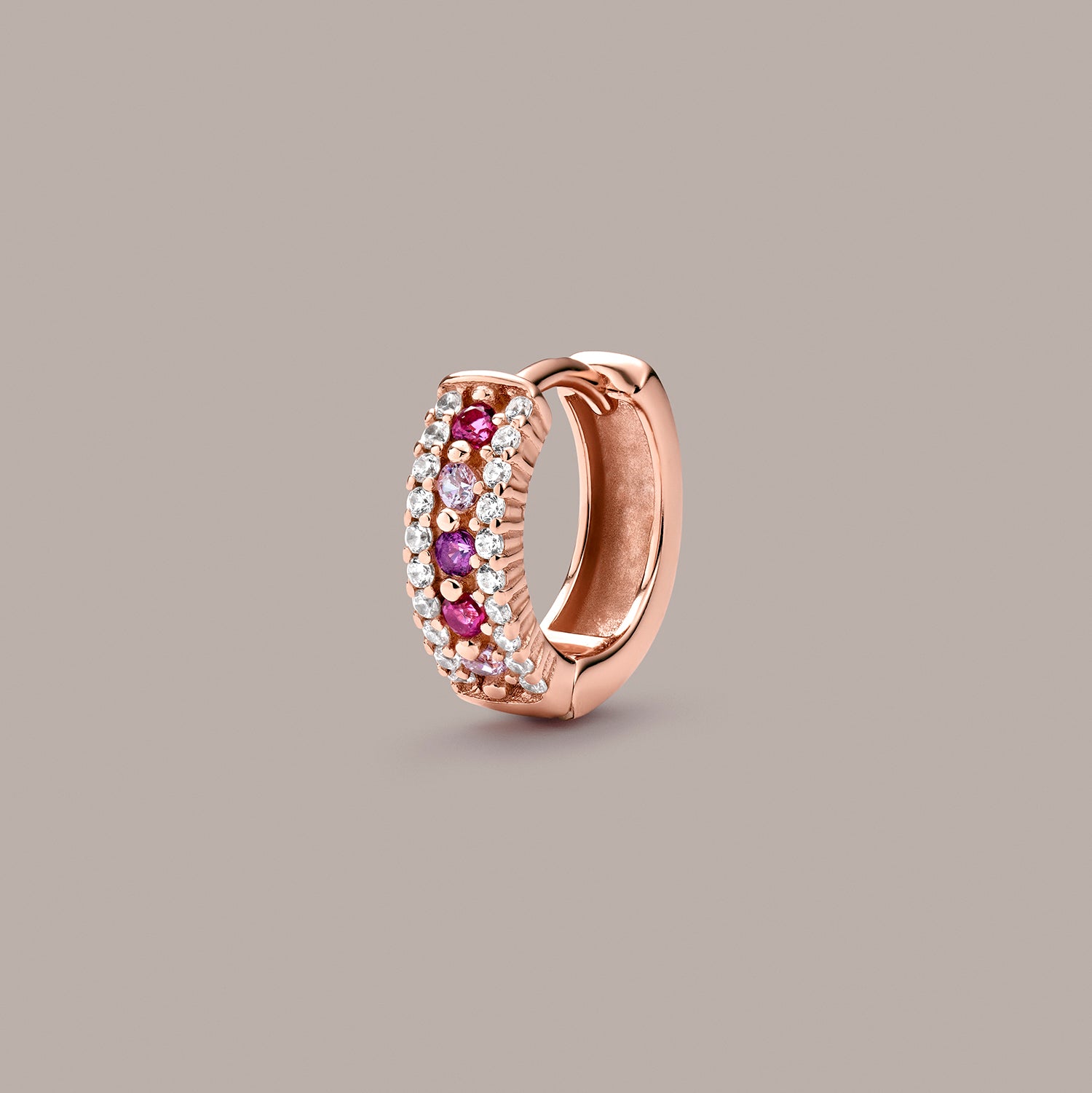
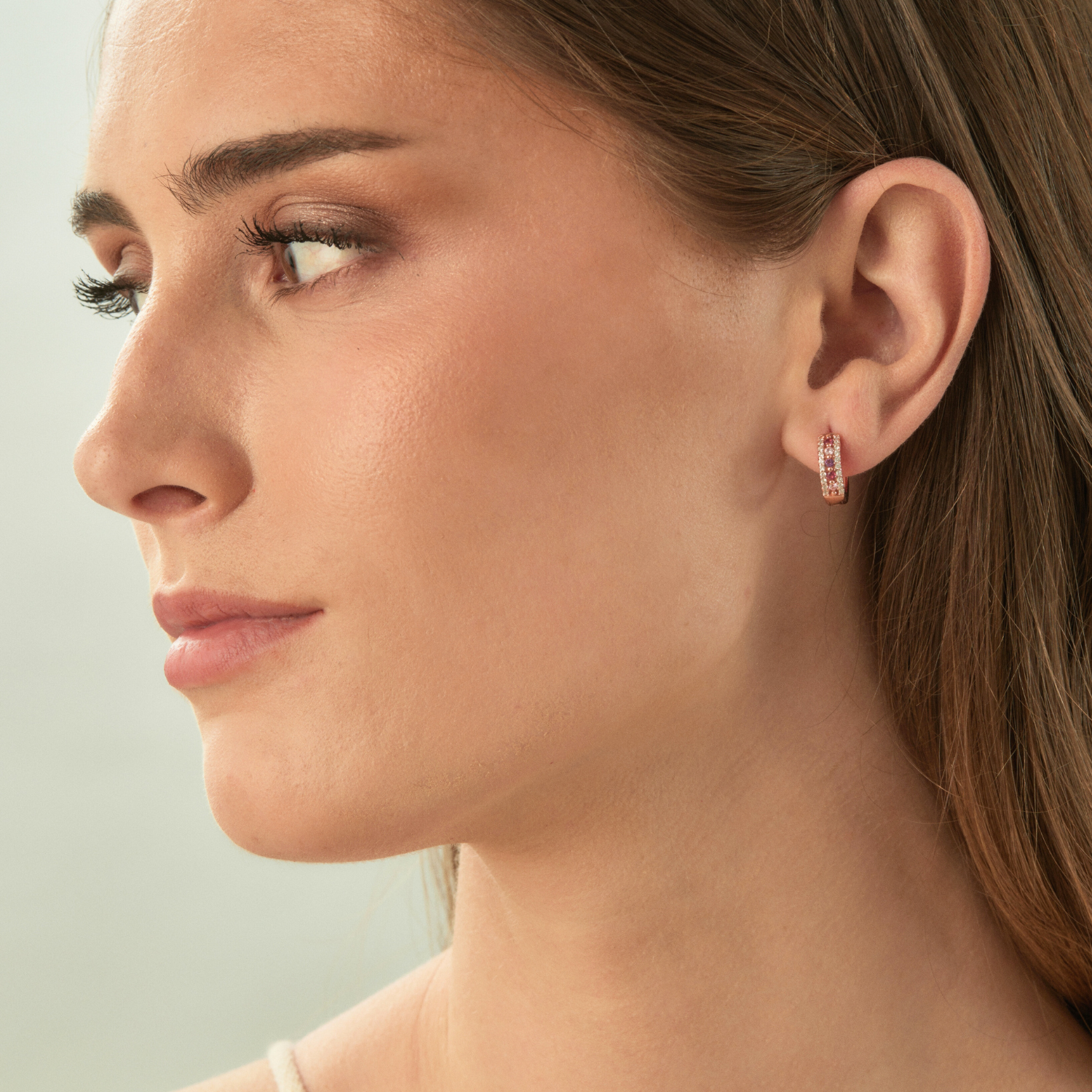
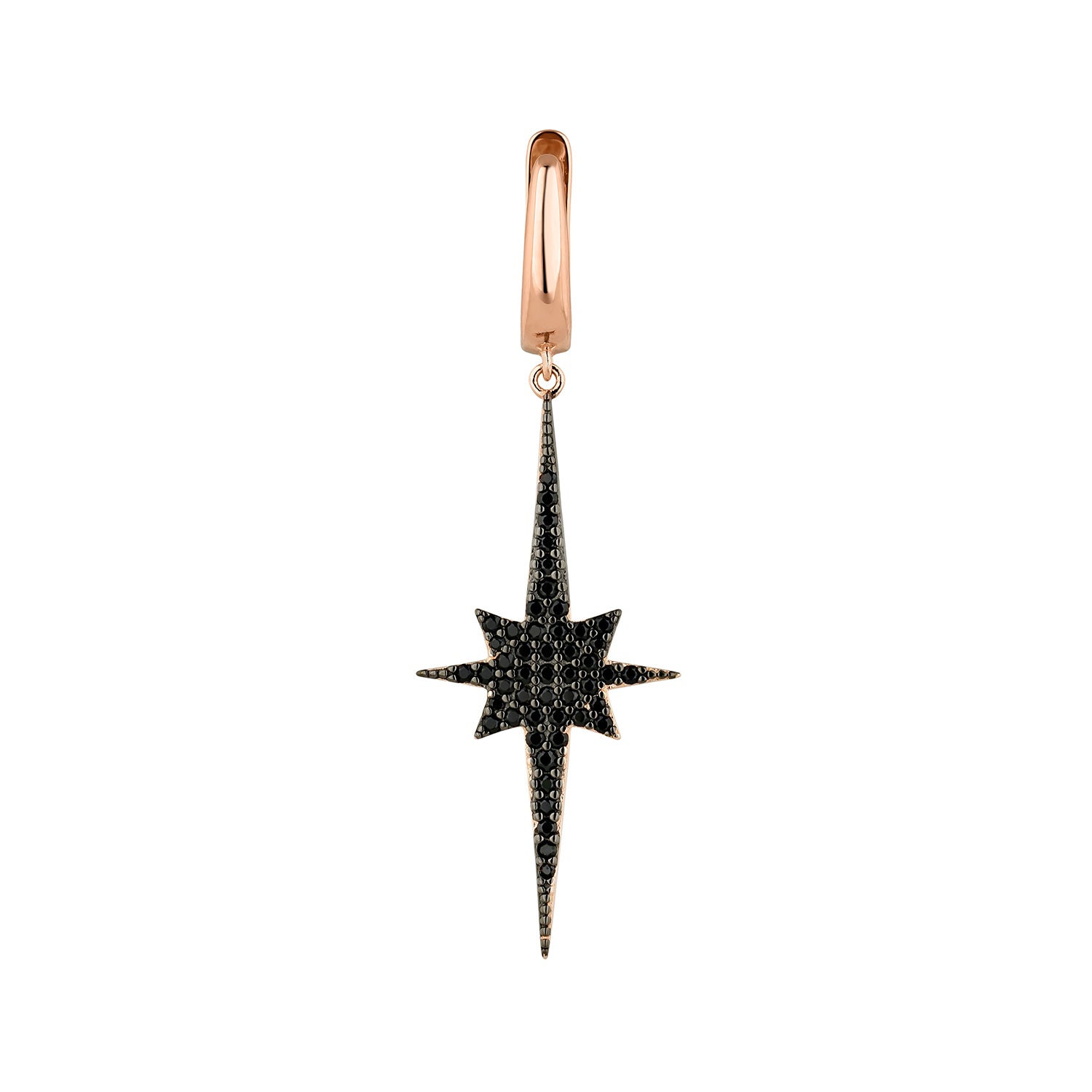


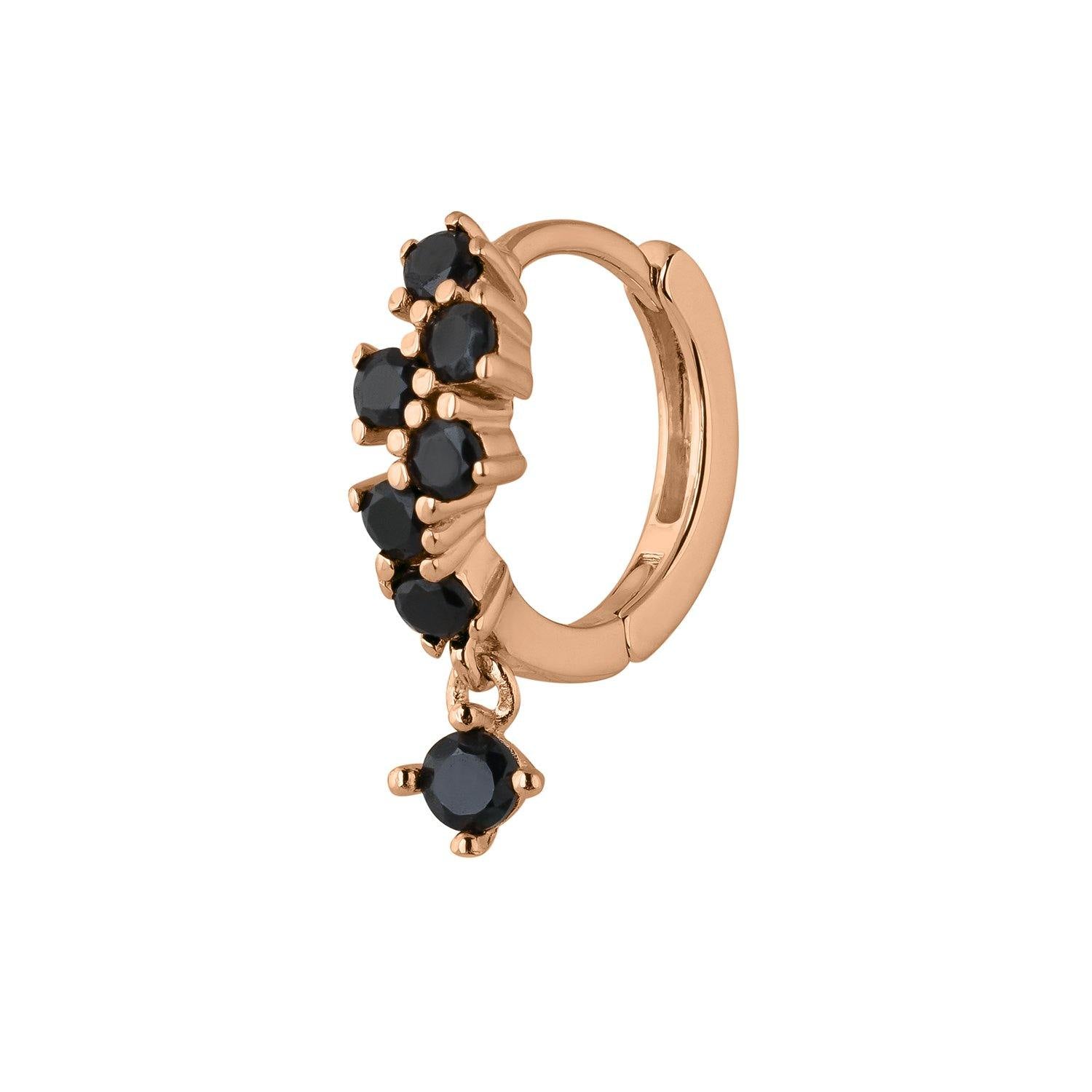
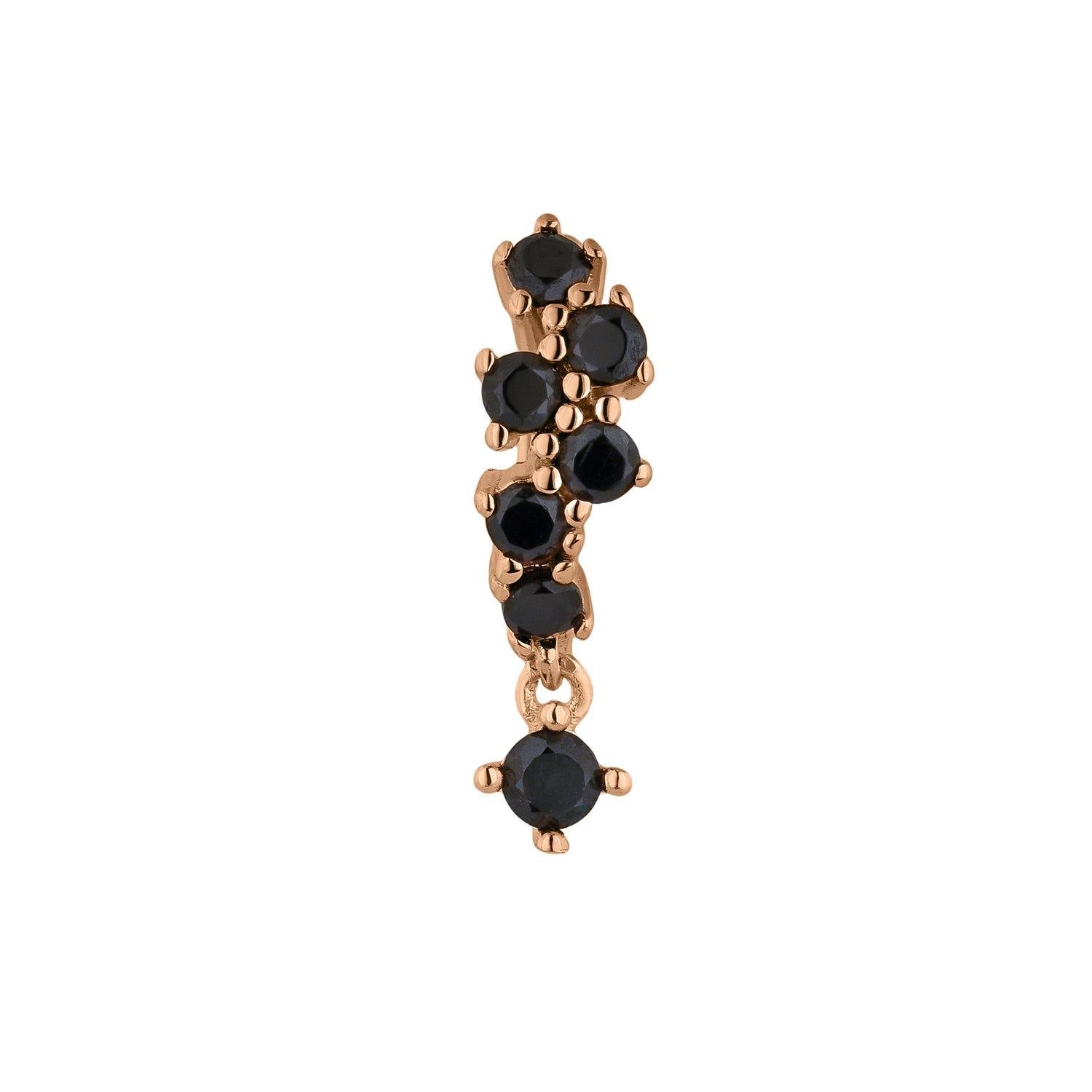
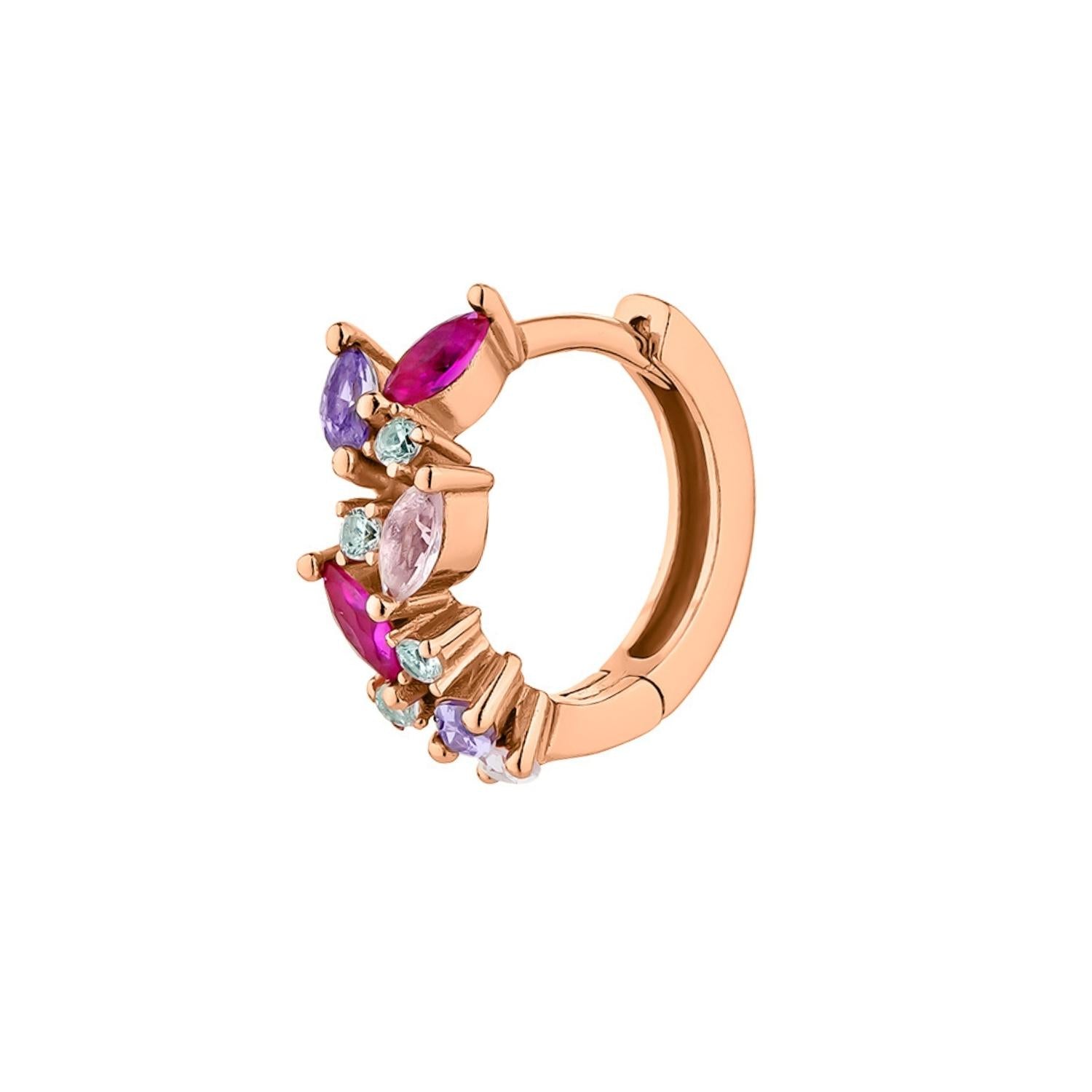
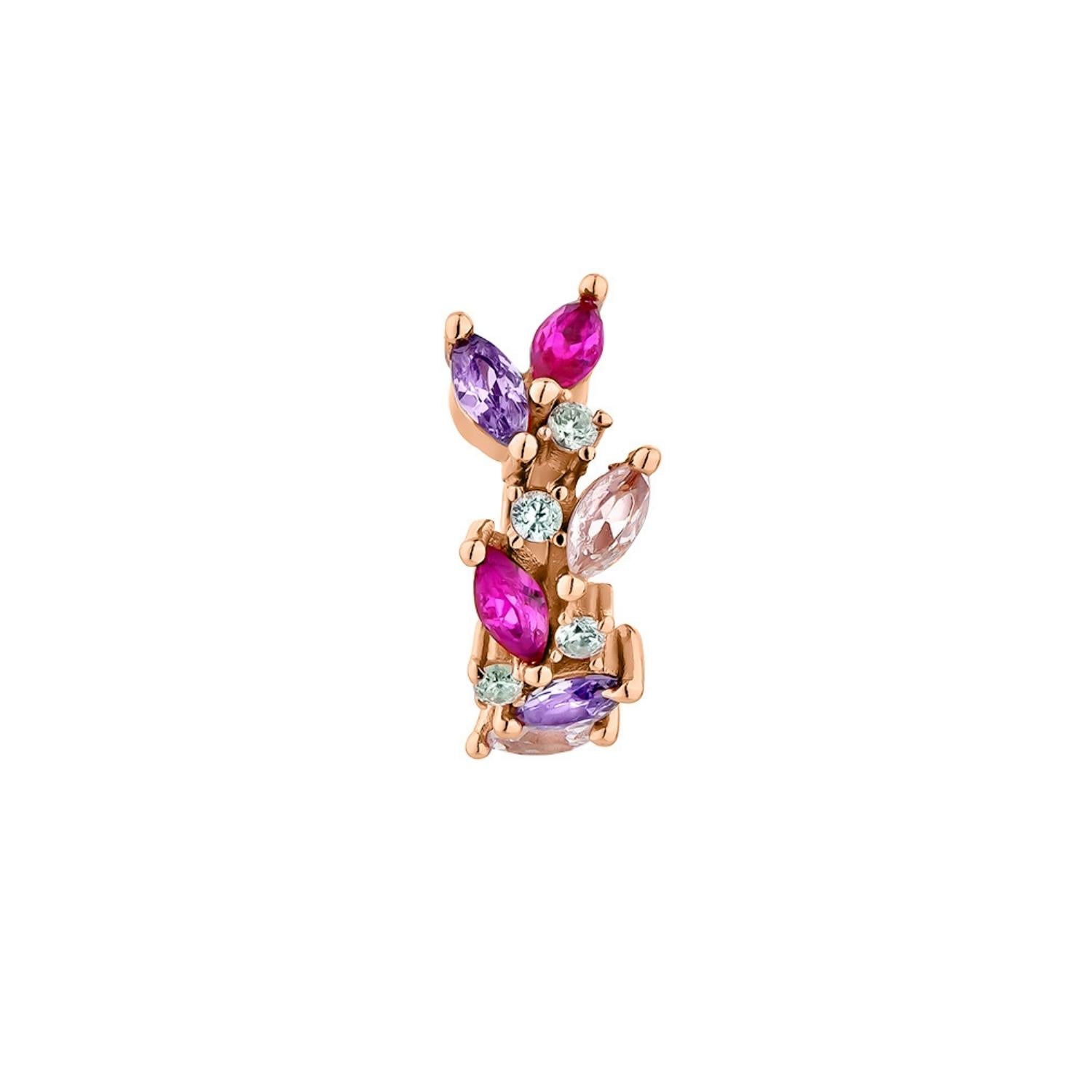


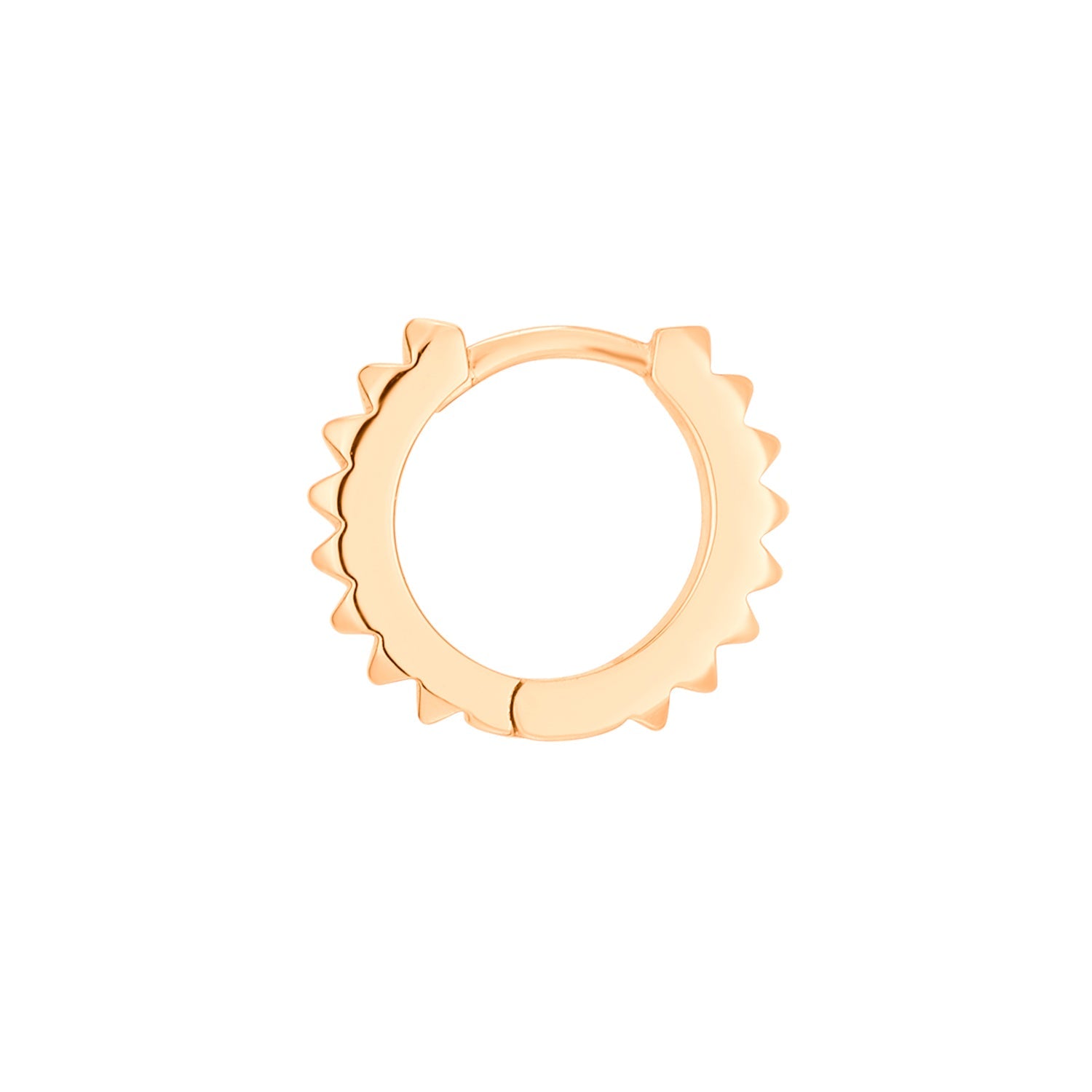
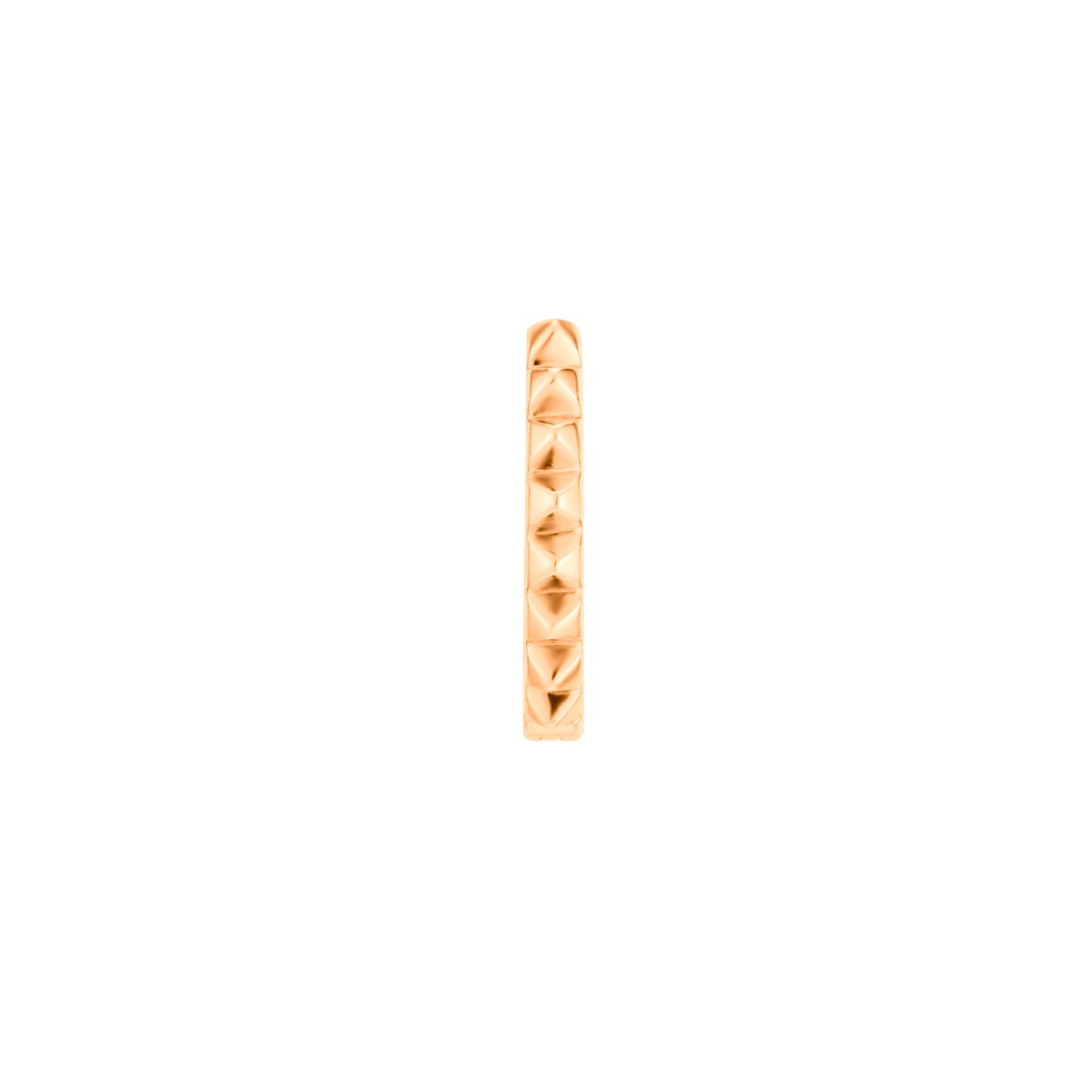

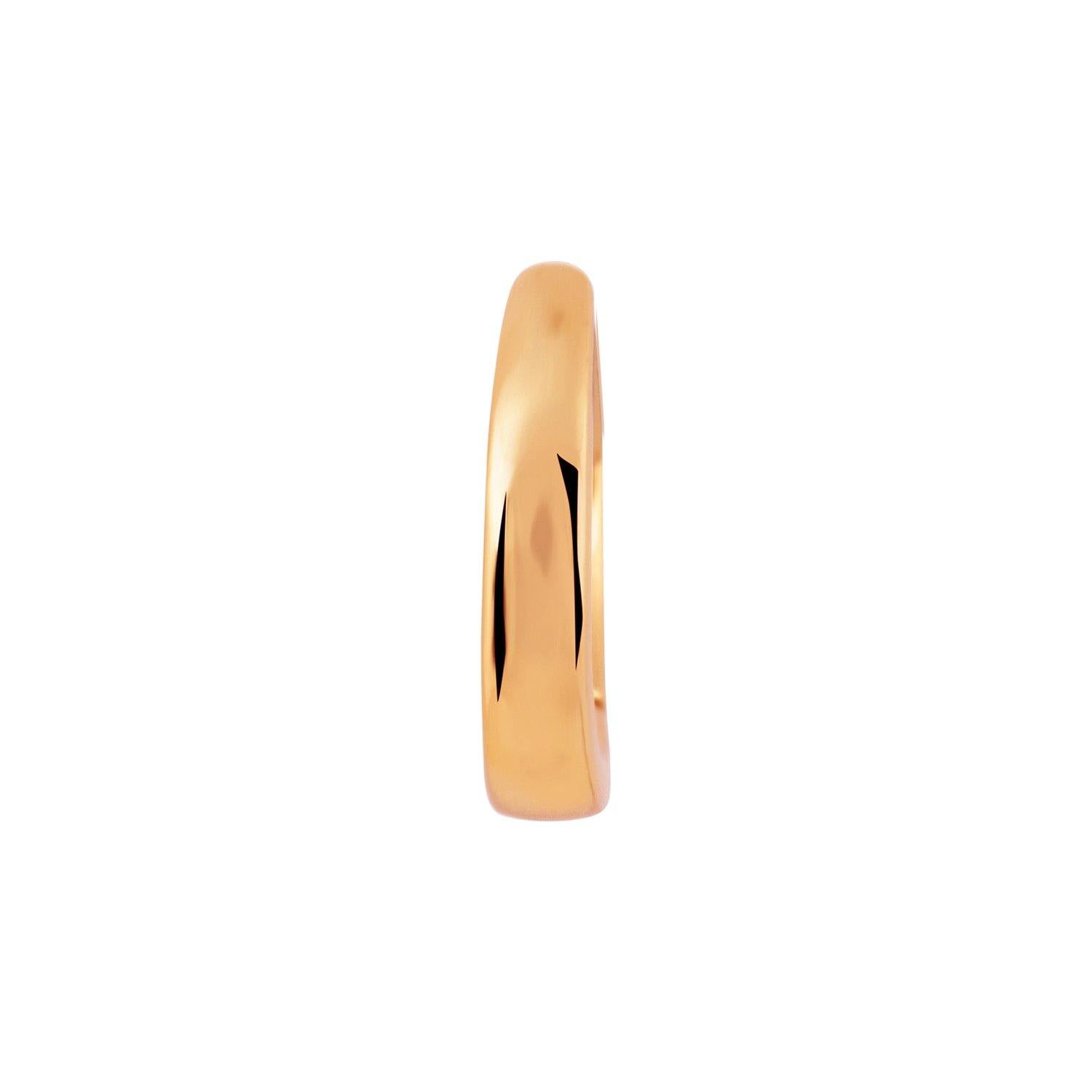
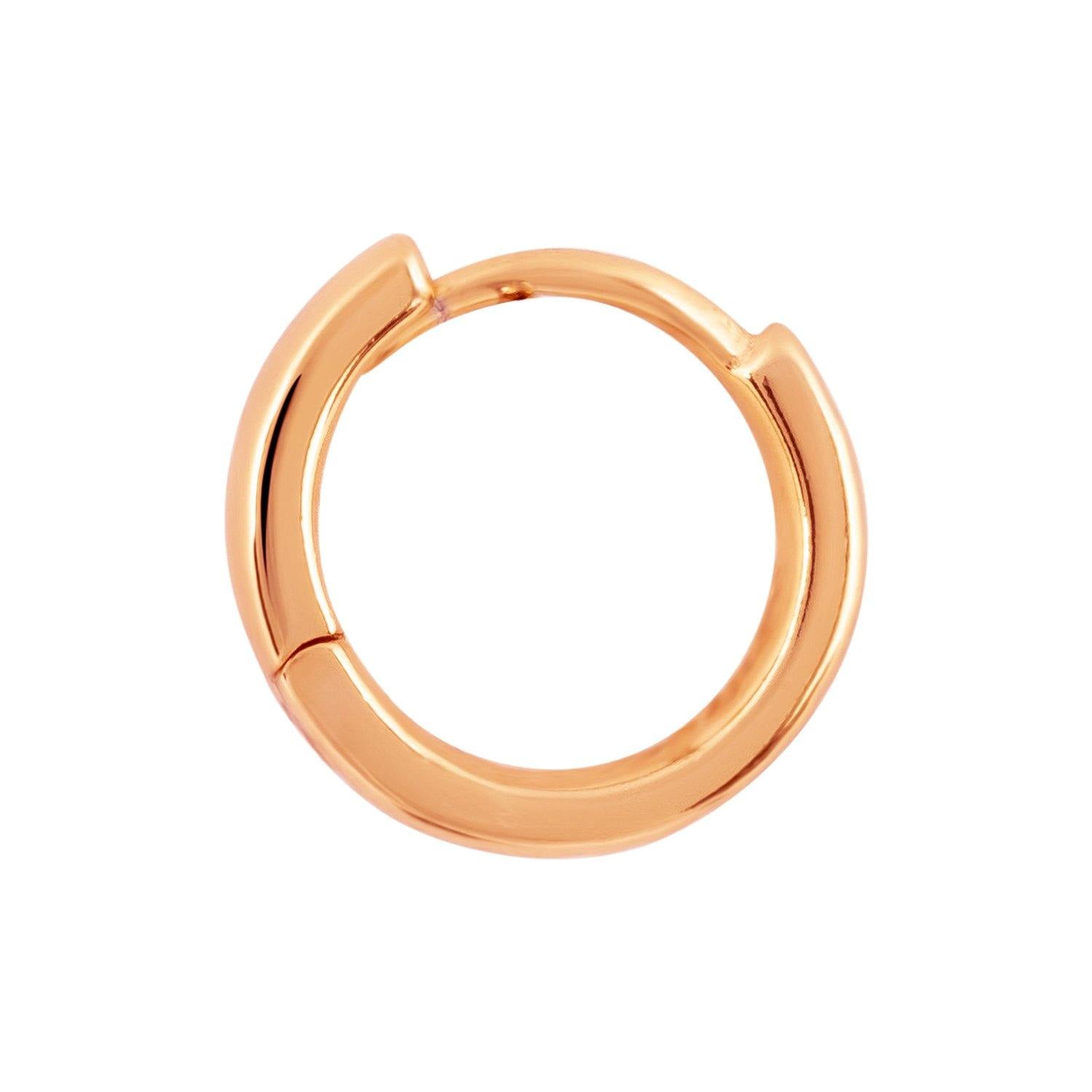
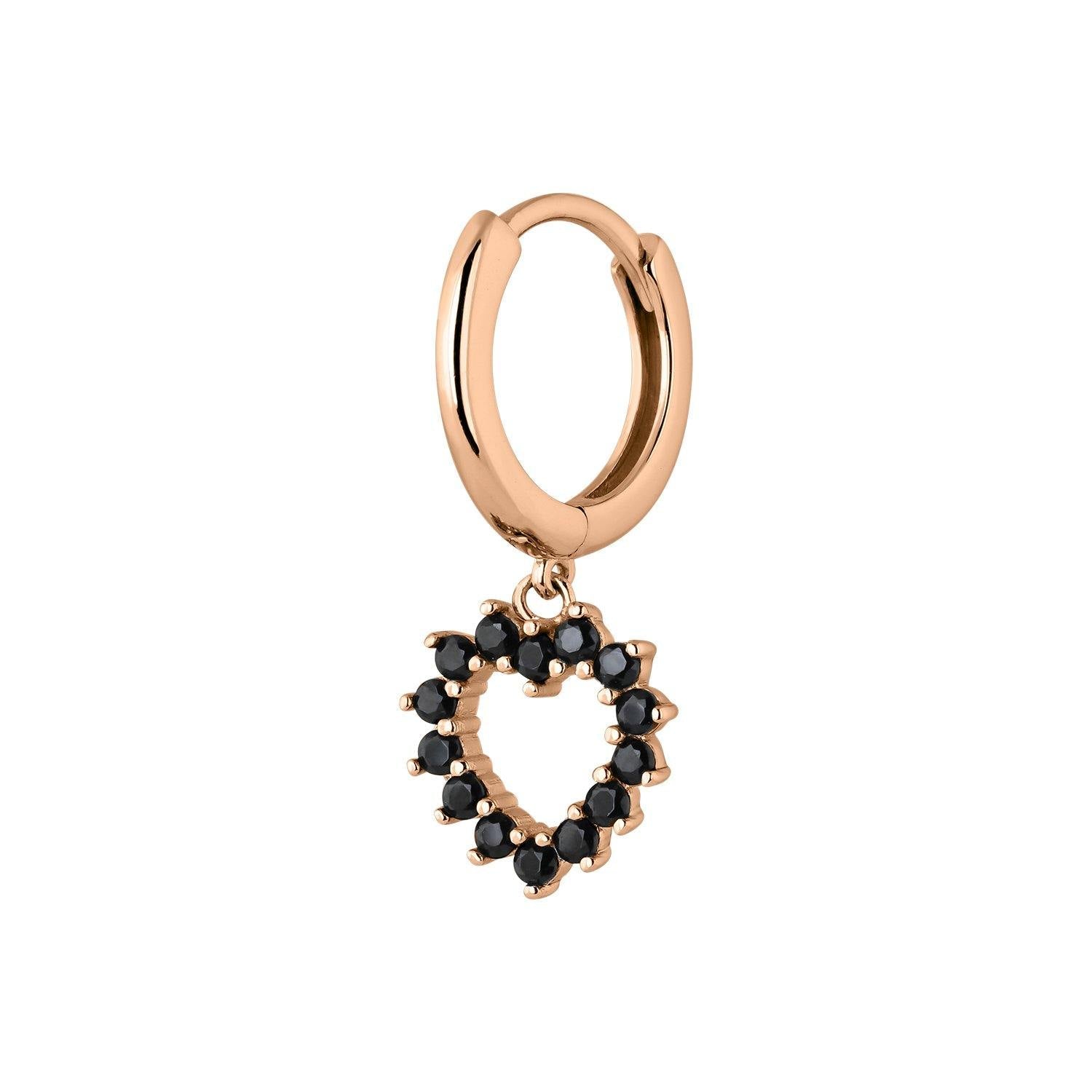

Piercing de aro oro rosa
Is the EarCandy rose gold hoop piercing hypoallergenic?
We understand that your skin’s health is a priority. Rose gold, like other types of gold, is generally well tolerated. However, what really determines if a piercing is hypoallergenic is the purity of the gold and the metals that make up the alloy. At EarCandy:
- We prioritize high-quality materials, such as 18K gold, which has a high concentration of pure gold, significantly reducing the possibility of reactions.
- The characteristic pink tone of gold is achieved by mixing pure gold with other metals, mainly copper. Although copper is less likely to cause allergies than nickel (a metal to avoid, especially in piercings), it is always good to check the exact composition if you have very sensitive skin.
- A good rose gold hoop earring should be comfortable and safe for daily use. If you have had problems with other metals, we recommend always opting for the highest purity available.
Can I wear my rose gold hoop piercing in the shower or while swimming?
In general, rose gold is a material quite resistant to water. However, to protect the longevity and shine of your rose gold hoop earring, we have some recommendations:
- Shower: Occasional contact with fresh water and soap is not a problem. However, we suggest removing the piercing before using shampoos or gels that may leave residues or harsh chemicals that dull the metal.
- Swimming: Pool chlorine and sea salt can be harmful to any jewelry, including rose gold, as they can deteriorate the alloy. It is best to remove the hoop piercing before swimming to avoid prolonged exposure to these chemicals.
If you accidentally swim with it, make sure to rinse it immediately with clean water and dry it well afterward.
Will the rose gold hoop piercing darken or change color over time?
Rose gold, due to its composition (pure gold and copper), can develop a patina over time, a natural process known as oxidation. This appears as a slight darkening or a more reddish tone, especially in the copper component of the alloy. However, in high-quality gold (18K), this process is very slow.
- Maintenance: The good news is that this patina can be easily reversed with proper cleaning. The cleaning methods we have recommended will help restore the original shine.
- Avoid chemicals: Contact with strong chemicals, perfumes, or lotions can accelerate this oxidation process. Try to put on your rose gold hoop earring after applying these products.
If you take care of your jewelry, the rose gold hoop piercing will maintain its beautiful color for many years.
What is the standard size of a hoop for a cartilage piercing?
When we talk about a rose gold hoop earring for cartilage, there is no single "standard size," as it varies greatly depending on the specific location (helix, tragus, daith, etc.) and the individual anatomy of your ear. However, the most common measurements for the inner diameter are:
- Diameter: Cartilage hoops (helix) usually range between 6 mm and 10 mm. A 6 mm or 7 mm hoop offers a snug and discreet fit, while 8 mm to 10 mm provides a bit more room.
- Thickness (Gauge): Most cartilage piercings are done with a thickness of 16g (1.2 mm) or 18g (1.0 mm). It is vital that you know the exact thickness of your piercing to avoid forcing the jewelry.
We recommend measuring one of your current hoops that fits well before buying a new rose gold hoop piercing.